Regaining sensation after a breast reduction

How nipple sensation is affected by a breast reduction
During a breast reduction, nerves in the breasts and around the nipples can be affected. When surgical procedures are carried out to, for example, remove excess tissue and move the nipple, this can mean that the nerves are stretched, cut or temporarily damaged. All of these effects can lead to changed or reduced sensation in the nipple.
How great the changes in sensation are can depend on, among other things, which surgical method was used, what the patient's anatomy looks like and how skilled the surgeon is at what they do.
Getting sensation back
Regenerating and recovering the nerves is a process that takes time. After a breast reduction it is common (and completely normal) to experience tingling, numbness or altered sensitivity in the area around the nipples. In most cases the sensation returns over time, but how much of it returns and when depends both on how extensive the nerve damage was and on the patient's ability to heal.
Most people notice a marked improvement within 3 to 6 months after surgery, as the swelling subsides and the body starts to repair the damaged nerves. Full recovery of sensation can, however, take up to 12 to 18 months. If sensation has not returned after a longer period, it is likely that the damage is permanent.
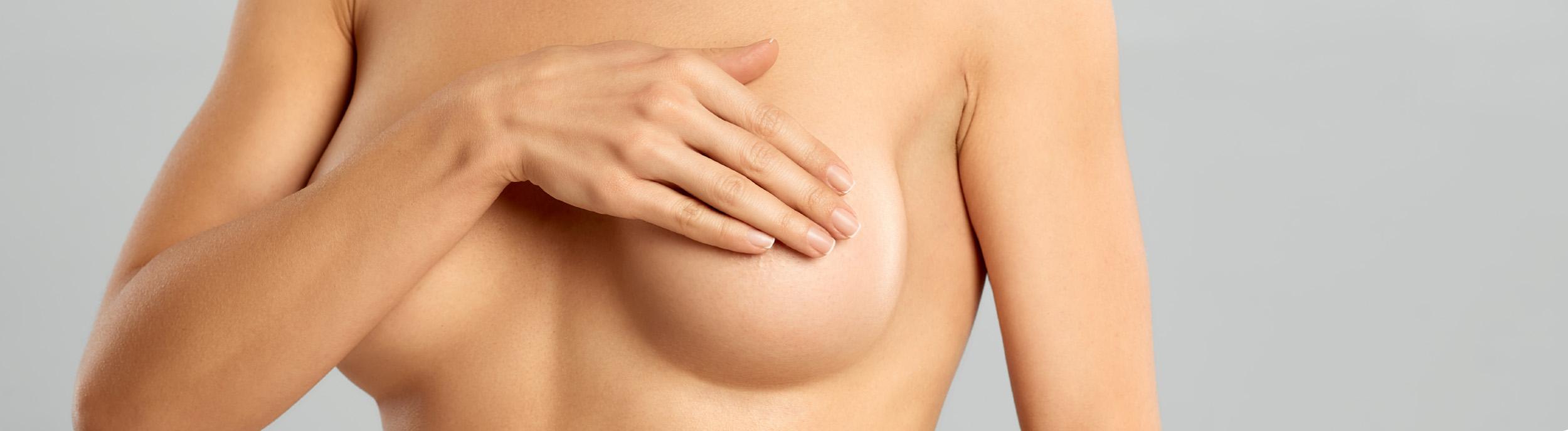
Methods for regaining sensation
There are several evidence-based methods that can help bring sensation back after a breast reduction.
Massage
Massage can help get the blood circulation going and stimulate the nerves, which can speed up the healing process. Using light, circular movements around the breasts and the area around the nipples, you can reduce swelling and improve the nerves' response to touch. Before you start massaging the breasts, it is important that you get the go-ahead from your surgeon.
Topical treatments
Creams and oils with ingredients such as vitamin E, arnica or menthol can stimulate blood circulation and the nerve endings. There are particular formulations developed for use after surgery that give a mild stimulus to get the repair of the nerves going.
Acupuncture
Acupuncture involves thin needles being inserted at specific points on the body to stimulate nerves and improve the flow of energy. There are some studies suggesting that acupuncture can support the regeneration of the nerves and reduce discomfort; it may therefore be a potential option for regaining sensation in the nipples.
Physiotherapy
Methods such as desensitisation therapy, where different textures and temperatures are applied to the affected area, help reintroduce sensory signals to the nerves and contribute to a gradual adaptation and recovery.
Laser therapy
Low-intensity laser therapy uses light to reduce inflammation and improve blood circulation in the operated area.
Nerve stimulation
Electrical nerve stimulation with TENS involves electrodes being placed on the skin near the affected area, where mild electrical impulses are delivered to activate the nerves and support sensory function.
Is there a risk of total loss of sensation?
Most people experience only temporary changes in nipple sensation after a breast reduction, but there is a small risk of permanent loss. The risk is affected by, among other things, the extent of the surgery, which technique was used to preserve the nerves, and the patient's anatomical structure in the breasts and nerves.
Operations that involve extensive tissue removal or a complete repositioning of the nipple carry a greater risk of causing permanent damage to the sensory nerves. Other factors that can increase the risk of long-term loss of sensation are the patient's ability to heal, previous medical conditions and complications during surgery.
An experienced surgeon can explain how the procedure will be carried out and what measures are taken to preserve the sensation and function of the nerves. Despite the greatest possible care, there is nevertheless a small risk of permanent changes because of the complex structure of the nervous system in the breasts.
Temporary loss of sensation
Temporary loss of sensation is common and normally disappears within a few months. This happens while the nerves heal and regain their ability to transmit signals between the brain and the nerve endings in the breasts. If you feel tingling and intermittent numbness, that is a sign that the nerves are recovering.
Permanent loss of sensation
In rare cases the nerves can be permanently damaged, leading to a lasting loss of sensation in the nipples. The risk of this is higher with procedures that involve extensive tissue removal or where the nipple is completely detached from its original position.
Methods for preserving sensation
The surgeon always does their best to preserve the nerve pathways and chooses the least invasive procedure in order to reduce the risk of loss of sensation.
- Pedicle-preserving breast reduction
The nipple is kept on a stalk of tissue (pedicle) that contains nerves and blood vessels. Depending on the patient's anatomical circumstances and the amount of tissue to be removed, the surgeon can adopt this technique in several different ways in order to retain as much of the sensation as possible. - Repositioning of the nipple and areola
In most cases the nipple is moved without being completely detached. By preserving the connection to the underlying nerves and blood supply, the risk of loss of sensation is reduced. - Microsurgical instruments
Advanced microsurgical instruments allow more precise incisions and thereby also minimise disruption to the nerve pathways. - Avoiding complete grafts
Grafts where the nipple is removed completely and then reattached to the breast are associated with a higher risk of permanent loss of sensation. The method is therefore usually used only for more extensive breast reductions or when it is not possible to use other methods. - Individually tailored methods
With the help of diagnostic imaging, it is easier to identify the patient's individual nerve pathways and anatomical structures in order to choose a more individually tailored method and strategy.
Get support through Adoreal
Regaining sensation and achieving the best possible result after a breast reduction requires advice and support. Adoreal connects you with some of Sweden's best clinics and specialist surgeons to help you get a care plan adapted to your needs. We make sure you have the resources needed to regain sensation and feel satisfied with your results.
Ready to talk to someone who treats this every day?
Find a Provider