Do you get scars from having loose skin removed?

Where the incisions are placed
When excess skin is removed, the incisions are placed in areas where they show as little as possible. Where they end up depends on the type of procedure.
• Tummy tuck
The incision is usually placed low down on the stomach, just above the pubic bone, so that it is hidden by underwear or swimwear.
• Arm lift
The incision is made on the inside of the upper arm, where it shows less when your arms hang by your sides.
• Thigh lift
The incision is placed along the groin crease or the inner thigh, where it is hidden by underwear or trousers.
• Breast lift
The incision often runs around the areola, vertically down the breast and sometimes along the breast crease.
• Back lift
Incisions are usually placed in the natural folds of the back so that they are less conspicuous.
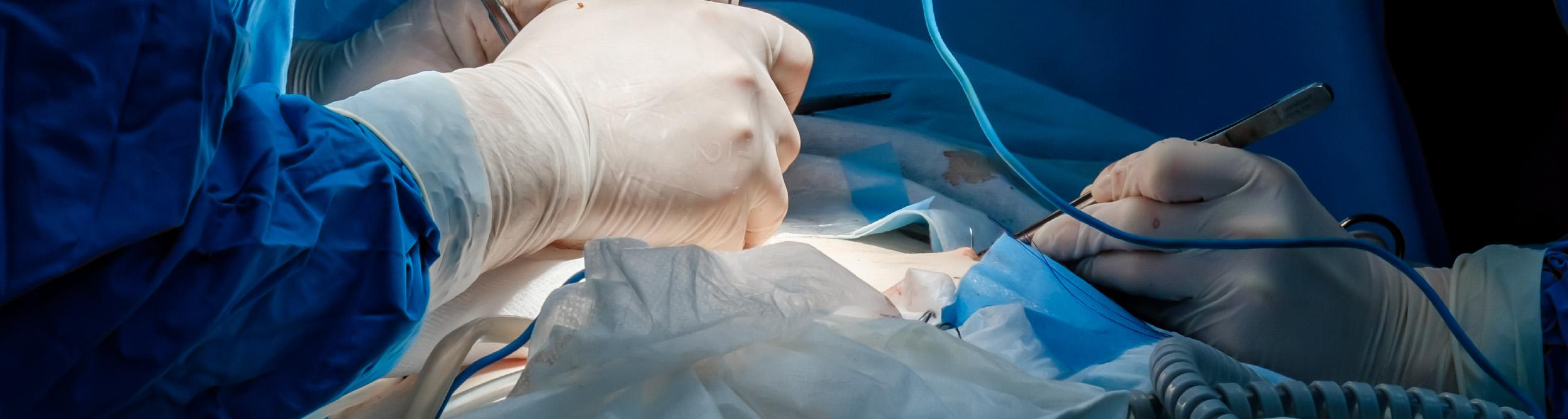
Scars and healing
Scars are a natural part of the body's healing process after surgery. At first the scars can be red, raised or hard, but over time they fade and become smoother. This is what the healing process usually looks like:
• 0–6 weeks after surgery
The scars are red, swollen and slightly raised while the skin begins to heal. You may feel itching or mild discomfort around the incisions.
• 6–12 weeks after surgery
The scars may still be pink or red, but the swelling begins to subside. The scars start to flatten out and the texture of the skin evens out.
• 3–6 months after surgery
As collagen production stabilises the scars continue to fade, and during this period looking after the scar properly makes a big difference.
• 12 months and onwards
After a year most scars have become flatter, lighter and considerably less visible.
How to look after your scars
Looking after your scars is important so that they heal well and become less visible over time. Here is how:
• Keep the incisions clean and dry
Follow your surgeon's instructions for cleaning and avoid exposing the area to bacteria.
• Use a scar cream or silicone patches
These can make the scars thinner, flatter and smoother.
• Massage the scar
Once the skin has healed you can massage the scar gently to soften the tissue and increase the elasticity of the skin.
• Protect the scar from the sun
Scars that are exposed to the sun can darken. Use sun protection with at least SPF 50 every day.
With regular care most scars become less visible within a year. If they are still prominent, further treatment such as laser or microneedling can help.
What you should avoid
In order not to make the appearance of your scars worse, it is a good idea to avoid the following:
• Sun exposure
The sun can make the scars darker and therefore more visible. Always use sun protection (SPF 50).
• Scratching and picking
Avoid scratching or picking at the scars. It can make healing more difficult and lead to infection and more scarring.
• Smoking
Smoking reduces blood flow, slows down the healing process and increases the risk of thicker or more raised scars.
• Skipping your follow-up appointments
Your surgeon can spot any problems with scar healing and take action at an early stage. So always attend all of your follow-up appointments.
• Overexertion
Avoid heavy lifting or strenuous activities that can put strain on the incisions. Stretching or pulling the skin too soon can make the scars worse.
Tips for concealing the scars
If you want to make the scars less visible, there are several ways to conceal them:
• Wear clothing that covers the scars
• Cover the scars with make-up
• Have a tattoo done where the scar becomes part of the design
• Use scar patches or silicone tape
Advice straight from your phone
Adoreal is here to support you through the whole process – from choosing a clinic to how you look after your scars afterwards. You get access to selected clinics, expert advice and personalised guidance on how you can reduce scarring after having sagging or loose skin removed.
Ready to talk to someone who treats this every day?
Find a Provider