
Breast reduction · Reduction mammoplasty
Breast reduction: Compare practices from our network
Breast reduction removes excess breast tissue, fat, and skin to relieve physical discomfort and improve proportion.
Our network
Breast reduction providers from Adoreal's partner network.

London · United Kingdom
Avoréa
Breast reduction performed personally by Dr. Antonios Mitsakos within a solo-surgeon Harley Street practice focused on breast and body contouring.
London · United Kingdom
Avoréa
Breast reduction performed personally by Dr. Antonios Mitsakos within a solo-surgeon Harley Street practice focused on breast and body contouring.
Ready to see who performs breast reduction near you?
Compare ProvidersDecision support
How to choose a breast reduction surgeon
Board certification is the starting point. The details below are worth weighing carefully when you're choosing the surgeon who's right for your goals.
Here's what to look for before you decide:
A good surgeon treats your symptoms as the primary goal.
Neck, back, and shoulder pain, skin irritation, and restricted activity are the reasons most patients seek reduction. A surgeon who documents your symptoms carefully is planning around relief, not just cup size.
Nipple sensation and blood supply should be explained, not glossed over.
Reduction techniques differ in how they preserve the nipple's nerve and blood supply. Ask which pedicle technique they use and what it means for sensation and for future breastfeeding. A specific answer is a good sign.
Scars are a real trade-off, and should be discussed as one.
Reduction usually means a lollipop or anchor pattern scar. A surgeon who shows you where the scars will sit, and how they typically mature over a year, is giving you what you need to decide.
The best surgeons plan for proportion, not just a target size.
Removing as much as possible is rarely the right answer. Shape, projection, and balance with your frame determine whether you are happy at a year. Expect the conversation to be about proportion.
Ask whether insurance or medical funding may apply.
Where reduction is performed for documented physical symptoms, some funding routes exist depending on your country and circumstances. A practice that explains this honestly, rather than assuming a private pathway, is being straightforward with you.
Before your consultation, prepare this question
“How much tissue do you plan to remove, and how will you preserve nipple sensation?”
A surgeon who discusses sensation and blood supply unprompted is thinking about how you will live with the result, not just how it will look.
Find a Breast Reduction ProviderAbout the treatment
About breast reduction
Breast reduction, or reduction mammoplasty, removes excess breast tissue, fat, and skin to create a smaller, lighter, better-proportioned breast. It is one of the few aesthetic treatments performed primarily to relieve physical symptoms.

What is a breast reduction?
Reduction mammoplasty removes excess breast tissue, fat, and skin, then reshapes the remaining tissue and repositions the nipple and areola to a natural height. An enlarged areola can be reduced at the same time.
Because a lift is inherent to the technique, reduction and mastopexy are closely related operations, and many surgeons describe the result as a smaller, lifted breast.
Reasons to consider reduction
Most patients come for physical reasons as much as aesthetic ones. Common motivations include:
- Persistent neck, back, or shoulder pain
- Grooving or discomfort from bra straps
- Skin irritation or rashes under the breast
- Difficulty exercising or finding clothes that fit
- Breasts that are noticeably different in size
- Self-consciousness about breast size
Incision patterns
The technique depends on how much tissue is being removed and how much lift is needed:
- Lollipop, around the areola and vertically down to the crease, suited to moderate reduction.
- Anchor, adding a horizontal incision along the crease, used for larger reductions and more extensive reshaping.
- Liposuction-only reduction, occasionally suitable where the volume is largely fatty and skin quality is good.
Your surgeon should explain which applies to you, and why a smaller scar would not deliver the result you are looking for.
The treatment, step by step
01 Consultation. Your surgeon documents your symptoms, examines and measures your breasts, discusses target proportion, and reviews your medical history including any family history of breast disease.
02 Preparations. You may need imaging such as a mammogram depending on your age, plus medication adjustments, stopping smoking, and arranging help at home.
03 Anesthesia. General anesthesia, with an anesthetist monitoring you. Surgery usually takes two to three hours.
04 Removal and reshaping. Excess tissue, fat, and skin are removed, and the remaining breast tissue reshaped. The nipple and areola are repositioned while preserving their nerve and blood supply.
05 Closing. Incisions are closed with sutures placed to minimize scarring, and the breasts are supported with dressings and a surgical bra.
Recovery and aftercare
Relief from physical symptoms is often noticed almost immediately, which many patients find striking. Healing itself takes the usual weeks and months.
- Wear the recommended support bra throughout early healing
- Avoid heavy lifting and strenuous exercise for around six weeks
- Expect swelling and bruising to fade over several weeks
- Attend follow-ups so healing and scar maturation can be monitored
- Protect scars from sun and follow scar care guidance
Most patients return to non-strenuous work within one to two weeks. Shape continues to settle over three to six months, and results are long-lasting where weight remains stable.
Risks and side effects
Breast reduction has high satisfaction rates, but it is major surgery and carries real risks:
- Changes in nipple or breast sensation, which may be temporary or, less commonly, permanent.
- Reduced ability to breastfeed, since milk ducts are affected by the reduction.
- Scarring, permanent and more extensive than in augmentation, though it fades considerably.
- Asymmetry, as perfect symmetry is not achievable in any breast surgery.
- Poor wound healing, particularly where incisions meet, and more likely in smokers.
- Infection, bleeding, or reaction to anesthesia.
When to seek medical attention
- Fever, or increasing redness, warmth, or discharge from an incision
- Severe or worsening pain not controlled by prescribed medication
- A change in nipple color, suggesting a blood supply problem
- Excessive bleeding or fluid leaking from an incision
Contact your surgeon's practice directly, or seek emergency care, if you experience any of the above.
When to seek medical attention
– Fever, or increasing redness, warmth, or discharge from an incision
– Severe or worsening pain not controlled by prescribed medication
– A change in nipple color, suggesting a blood supply problem
– Excessive bleeding or fluid leaking from an incision
Contact your surgeon’s practice directly, or seek emergency care, if you experience any of the above.
Common questions
Breast reduction questions, answered.
If your question isn't here, ask us directly. A real person answers, and we won't push you toward anything.
Talk to us →Will reduction relieve my back and shoulder pain?
For many patients, substantially, and often quickly. Symptom relief is the most common reason for the treatment and a major reason satisfaction rates are so high.
How much smaller will I be?
Your surgeon plans in proportion to your frame rather than to a target cup size. Removing the maximum is not usually the goal, and shape matters as much as volume.
Will I lose nipple sensation?
Some change in sensation is common and usually temporary. Permanent loss is less common and depends on technique. Ask your surgeon how they preserve the nerve supply.
Will I be able to breastfeed afterward?
It may be reduced, because breast tissue and ducts are removed. Some patients can still breastfeed. If this matters to you, raise it before deciding on timing.
What will the scars look like?
Usually a lollipop or anchor pattern, positioned to sit under a bra or swimwear where possible. They are permanent but fade and flatten considerably over the first year.
Is reduction the same as a breast lift?
They overlap. A reduction removes tissue and inherently lifts; a lift reshapes without significantly reducing volume. Your surgeon will explain which addresses your concern.
Can it be covered by insurance or public funding?
Sometimes, where physical symptoms are documented, depending on your country and circumstances. Ask the practice directly rather than assuming either way.
Should I wait if I plan to have children?
Pregnancy and breastfeeding can change breast size and shape again. Many surgeons suggest waiting, though symptom severity sometimes makes earlier surgery reasonable.
When can I return to work and exercise?
Non-strenuous work is usually possible within one to two weeks. Heavy lifting and chest exercise are typically restricted for around six weeks.
Will my breasts grow back?
Not normally, though significant weight gain or hormonal changes such as pregnancy can increase breast size again. A stable weight helps maintain the result.

Related treatments

Breast lift
Reshapes and raises without significantly reducing volume.

Breast augmentation
Adds volume and reshapes with implants or fat.

Breast tissue preservation
Techniques that protect the breast's natural support.

Mommy makeover
Combines breast and body treatments after pregnancy.

Liposuction
Contours the body and, occasionally, the breast itself.
More on breast reduction.
Article
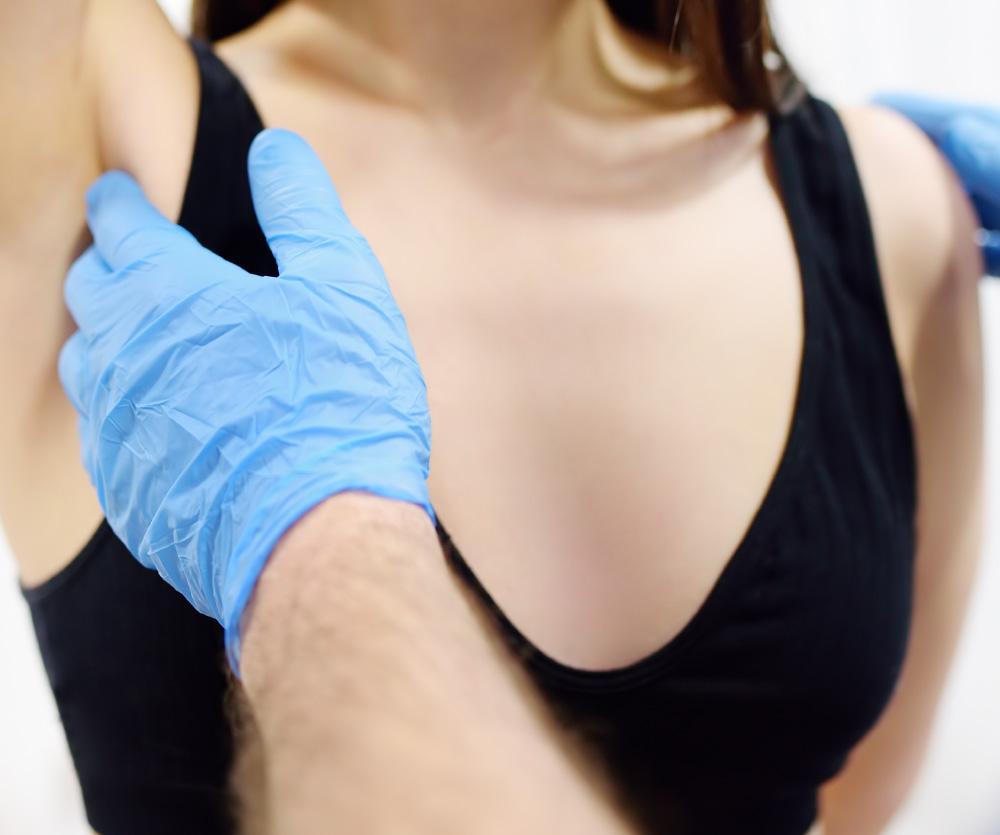
Breast reduction surgery cost
A closer look at what is included in the price and why the cost can vary.
Article
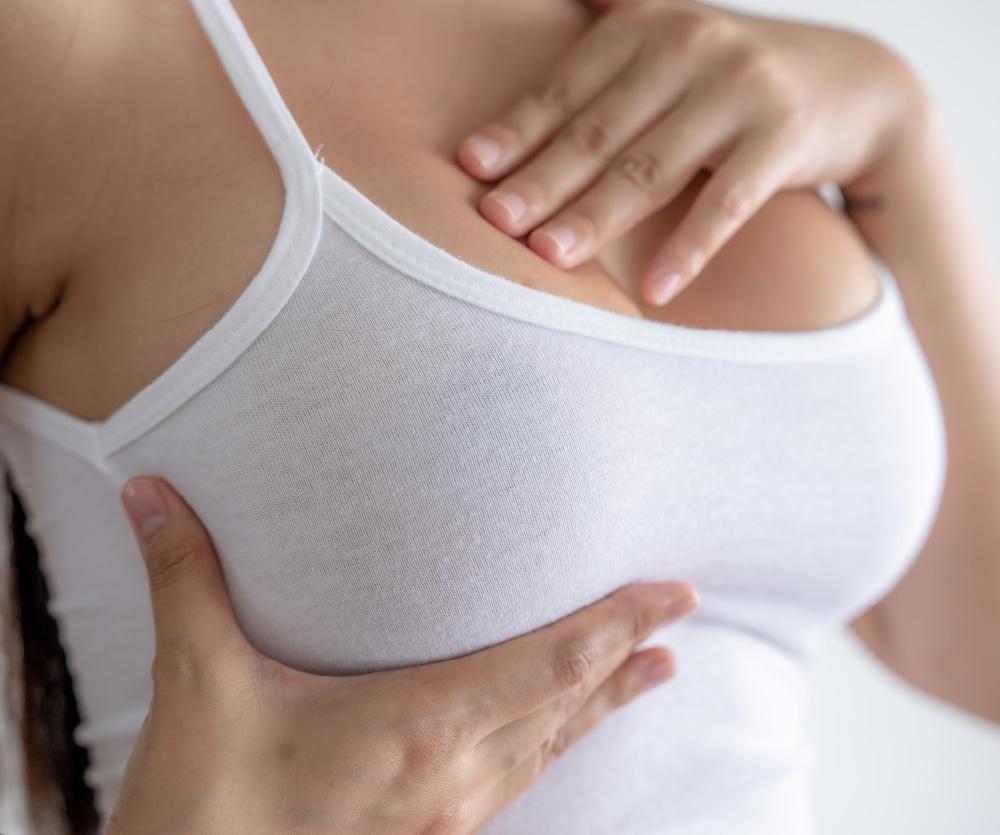
How do I regain sensation after breast reduction?
While some experience temporary or permanent sensitivity changes, there are strategies to help regain sensation and improve overall outcomes.

Article
Minimum size for breast reduction
Many people consider it for physical comfort, such as relieving back or shoulder pain, while others see it as a way to enhance their overall proportions.