
Tummy tuck · Abdominoplasty
Tummy Tuck: Compare practices from our network
A tummy tuck removes excess abdominal skin and fat and tightens the underlying muscles. It is not a weight-loss treatment.
Our network
Tummy tuck providers from Adoreal's partner network.

15 Harley Street, London W1G 9QQ · United Kingdom
iQonic Aesthetics
Standard and mini abdominoplasty, plus lipo-abdominoplasty and Fleur de Lis for post-weight-loss patients.
15 Harley Street, London W1G 9QQ · United Kingdom
iQonic Aesthetics
Standard and mini abdominoplasty, plus lipo-abdominoplasty and Fleur de Lis for post-weight-loss patients.
Ready to see who performs tummy tuck near you?
Compare ProvidersDecision support
How to choose a tummy tuck surgeon
Board certification is the starting point. The details below are worth weighing carefully when you're choosing the surgeon who's right for your goals.
Here's what to look for before you decide:
A good tummy tuck surgeon plans your scar before they plan the surgery.
Your scar is permanent, so where it sits matters as much as how flat your stomach ends up. A surgeon worth trusting shows you where the incision will fall, explains how it will sit under underwear or swimwear, and tells you how much skin they can realistically remove. If the conversation skips the scar, that is what to ask about before you book.
Muscle repair is the part patients underestimate.
If pregnancy or weight change separated your abdominal muscles, tightening them is what delivers a flat result rather than just a smaller one. Ask whether you have diastasis recti, whether they will repair it, and how. A surgeon who examines for it without being prompted is treating your anatomy, not selling a treatment.
The best surgeons tell you which tummy tuck you actually need.
Full, mini, lipo-abdominoplasty, and Fleur de Lis all solve different problems. A surgeon who performs abdominoplasty as a core part of their practice will explain why one fits your skin laxity and muscle tone, and will tell you plainly if a mini will not give you what you want.
Transparency about your plan and expectations is non-negotiable.
Your surgeon should be comfortable documenting the type of abdominoplasty planned, whether muscle repair and liposuction are included, where the scar will sit, and what recovery support looks like week by week, and sharing that with you in writing.
Before your consultation, prepare this question
“Where exactly will my scar sit, and what would you do if it heals badly?”
A surgeon who answers directly, rather than deflecting, is one who puts your outcome above the booking.
Find a Tummy Tuck ProviderAbout the treatment
About tummy tuck
A tummy tuck, also known as abdominoplasty, removes excess skin and fat from the abdomen and tightens the underlying muscles for a flatter, firmer stomach. It is not a weight-loss method. It addresses what diet and exercise cannot reach: loose skin and separated muscle.
What is a tummy tuck?
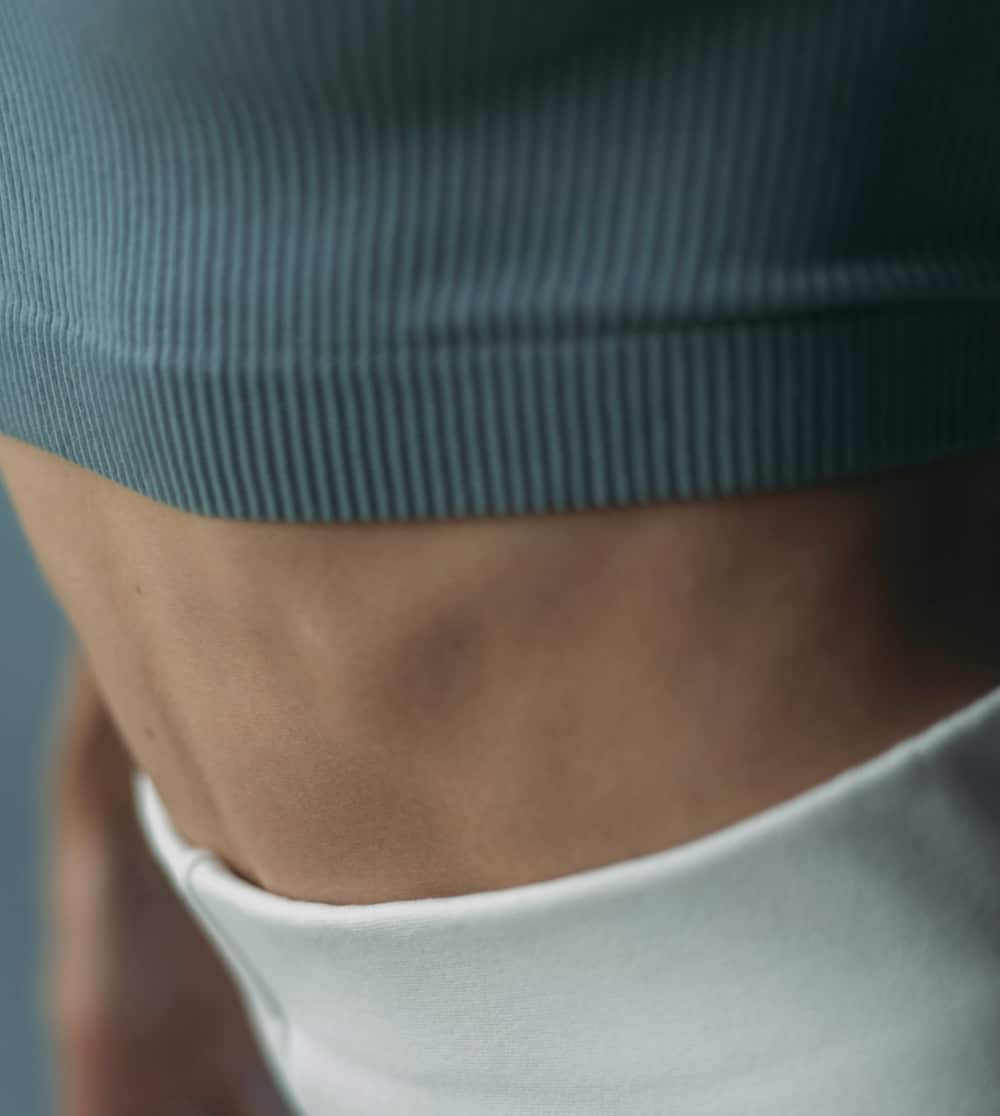
Abdominoplasty removes excess skin and fat from the abdomen while tightening the muscles beneath. It targets the lower and upper abdomen, and often the flanks, creating a flatter, firmer stomach and a more defined waistline.
It is not a weight-loss method, and it will not prevent future weight gain or natural aging. Many patients find that despite their best efforts, the abdominal area holds onto stubborn fat and excess skin that will not respond to diet or exercise.
Reasons to have a tummy tuck
People choose abdominoplasty for different reasons, usually to remove excess skin or tighten muscles following:
Significant weight loss
Pregnancy
A C-section or other abdominal surgery
Aging
Stubborn fat deposits
Natural body type
Are you a candidate?
A tummy tuck suits people at a stable weight who are struggling with loose abdominal skin or separated muscle. Your surgeon may advise against the treatment if you:
Are considering future pregnancies
Have had previous abdominal surgery leaving considerable scar tissue
Have a body mass index above 30
Intend to lose a considerable amount of weight
Have severe chronic conditions, including diabetes or heart disease
Smoke
The treatment, step by step
Consultation. Your surgeon reviews your goals and medical history, then assesses skin quality, muscle tone, and fat distribution, and may take photos for your records. Together you discuss your options and set realistic expectations.
Preparations. You will receive instructions to optimize your health and reduce risk, usually covering a medical evaluation, medication adjustments, quitting smoking, fasting, and arrangements for recovery at home.
Anesthesia. Tummy tuck surgery is usually performed under general anesthesia, meaning you are fully asleep while an anesthetist monitors you throughout.
The incision. The surgeon makes a horizontal incision between the pubic area and the navel, sized to the amount of skin being removed. If there is excess skin above the navel, a second incision around it may be needed.
Muscle repair. If the abdominal muscles have weakened or separated through pregnancy or weight change, they are tightened with sutures for a firmer shape.
Removal and contouring. Excess fat and skin are removed through a combination of liposuction and skin excision, allowing precise contouring of the abdomen and flanks.
Belly button repositioning. Removing excess skin usually means creating a new opening for the navel so it aligns naturally with the reshaped abdomen. The belly button itself is not moved, it is brought through the new opening and sutured into place.
Closing the incision. The incision is closed carefully to minimize scarring, using sutures, skin adhesives, tapes, or clips. Small drainage tubes may be placed under the skin and are usually removed within a week or two.
Full tummy tuck. Addresses skin and muscle above and below the navel, with the navel repositioned. Suited to significant skin laxity or muscle separation after pregnancy or major weight loss.
Mini tummy tuck. Treats the area below the navel only, through a shorter incision and without moving the navel. Suited to limited lower-abdominal laxity. Your surgeon will discuss the right approach for you.
Recovery and aftercare
Recovery takes time, and it is important to listen to your body. Right after surgery you will spend a few hours under observation as the anesthesia wears off. You will typically be advised to:
Wear a compression garment to reduce swelling and support healing
Rest with your upper body slightly elevated in the early days
Limit lifting and strenuous activity, typically for six weeks
Attend scheduled follow-ups so drains and sutures can be managed
Most people start light activities within six weeks as swelling and bruising fade. The abdomen looks firmer and flatter as healing continues, with final results typically visible after three to six months. Results are long-lasting, but maintaining them depends on a stable weight, a healthy diet, and regular exercise.
Potential risks and complications
Tummy tuck surgery carries risks, like any surgery, which your surgeon will go through with you beforehand. These may include:
Infection. Rare, but possible at the incision site. Antibiotics may be prescribed to prevent or treat it.
Blood clots. Surgery increases the risk of clots, particularly in the legs, which can be serious if they travel to the lungs.
Poor wound healing. More common in smokers or people with certain medical conditions.
Seroma. A build-up of fluid at the surgical site, which may need to be drained.
Necrosis. Skin or tissue loss can occur, particularly in smokers, sometimes requiring further treatment.
Reaction to anesthesia. Discussed with your anesthetist in advance, based on your medical history.
Expected side effects and scars
Side effects are a normal part of healing and usually improve as your body recovers.
Swelling, one of the most common effects, which can take several weeks to subside.
Bruising around the treated area, expected but usually fading within a few weeks.
Pain and discomfort, mild to moderate, especially in the first few days.
Numbness or changed skin sensation near the incision, usually easing over months.
Fatigue, as your body works hard to heal itself.
Scars, which may look red and raised at first but usually fade and flatten, though they will not disappear completely. Your surgeon may recommend silicone sheets or gels, gentle massage, and sun protection.
When to seek medical attention:
Fever, or signs of infection at an incision site such as increasing redness, warmth, or discharge
Severe or worsening pain not controlled by prescribed medication
Swelling or pain in one leg, chest pain, or shortness of breath
Excessive bleeding or fluid leaking from an incision site
Contact your surgeon's practice directly, or seek emergency care, if you experience any of the above.
Common questions
Tummy tuck questions, answered.
If your question isn't here, ask us directly. A real person answers, and we won't push you toward anything.
Talk to us →What is the difference between a tummy tuck and liposuction?
Liposuction removes fat to reshape an area. A tummy tuck removes excess skin and tightens the abdominal wall. If loose skin or separated muscle is your concern, liposuction alone will not address it, and the two are often planned together.
Full or mini tummy tuck, which do I need?
A mini treats the area below the navel through a shorter incision. A full tummy tuck addresses skin and muscle above and below the navel and repositions it. Your skin laxity and whether your muscles have separated decide which is appropriate.
Where will my scar be, and how visible is it?
The main scar runs horizontally low across the abdomen, positioned to sit below underwear or swimwear. It is permanent, and usually red and raised at first before fading and flattening over months. Ask your surgeon to show you exactly where it will fall.
How much weight will I lose?
Any reduction comes from removing excess skin and localized fat, not from significant fat loss. The treatment is designed for contouring and tightening rather than weight reduction, and most patients notice the change in shape rather than on the scales.
What does recovery actually involve?
Expect a compression garment, possible drains for a week or two, and restricted lifting and exercise for around six weeks. Most patients return to desk work within two to four weeks. Swelling settles over the following months.
Should I wait if I want more children?
Most surgeons recommend waiting. Pregnancy can stretch the repaired muscles and skin again, which may undo your result. If you are considering future pregnancies, raise it at consultation so timing can be planned properly.
Will it repair separated abdominal muscles?
Yes. Where pregnancy or weight change has separated the abdominal muscles, they can be brought back together and tightened with sutures. This muscle repair is often what delivers a genuinely flat result rather than just less skin.
Does it remove stretch marks or cellulite?
Stretch marks sitting on the skin that gets removed will go with it, typically those low on the abdomen. Marks outside that area remain, and a tummy tuck does not treat cellulite.
What are the most common risks?
Infection, blood clots, poor wound healing, fluid buildup (seroma), and tissue necrosis, which is more likely in smokers. Your surgeon will review how each applies to you and how they minimize it.
Can it be combined with other treatments?
Yes. It is frequently combined with liposuction, or with breast surgery as part of a mommy makeover. Combining treatments affects anesthesia time and recovery, so discuss the trade-offs at consultation.

Related treatments

Liposuction
Removes stubborn fat and contours the body, often planned alongside a tummy tuck.

Mommy makeover
A combined plan for post-pregnancy change, usually including abdominoplasty.

Excess skin removal
For skin laxity across the body after significant weight loss.

Body sculpting and contouring
Surgical and non-surgical options for reshaping the body.

Brazilian butt lift
Uses fat removed by liposuction to enhance shape elsewhere.
More on tummy tuck.

Article
Tummy tuck recovery, what to expect
Most patients return to desk jobs within 2 to 4 weeks, engage in light exercise after 6 weeks, and fully resume strenuous exercise after 12 weeks.
Article
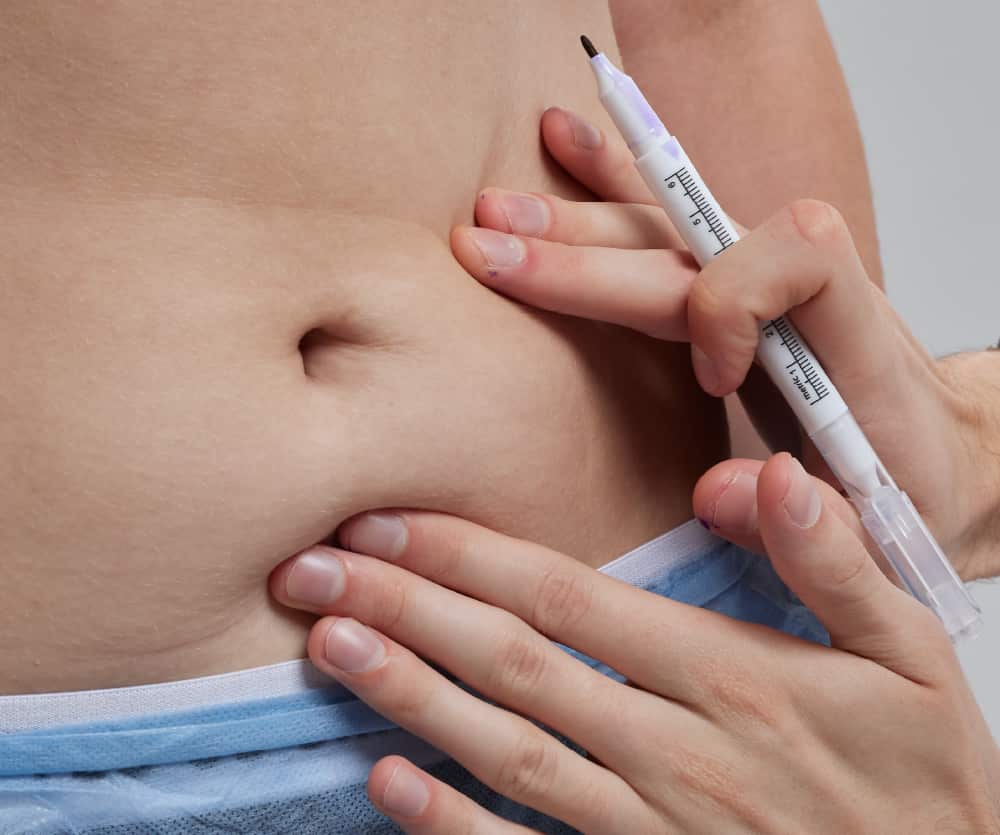
How much weight can you lose with a tummy tuck?
The reduction is due to the removal of excess skin and localized fat, not significant fat loss. The treatment is designed for contouring and tightening.
Article
Exercise after a tummy tuck
For more strenuous exercise, a waiting period of 6 to 8 weeks is often recommended, depending on healing progress and your surgeon's assessment.