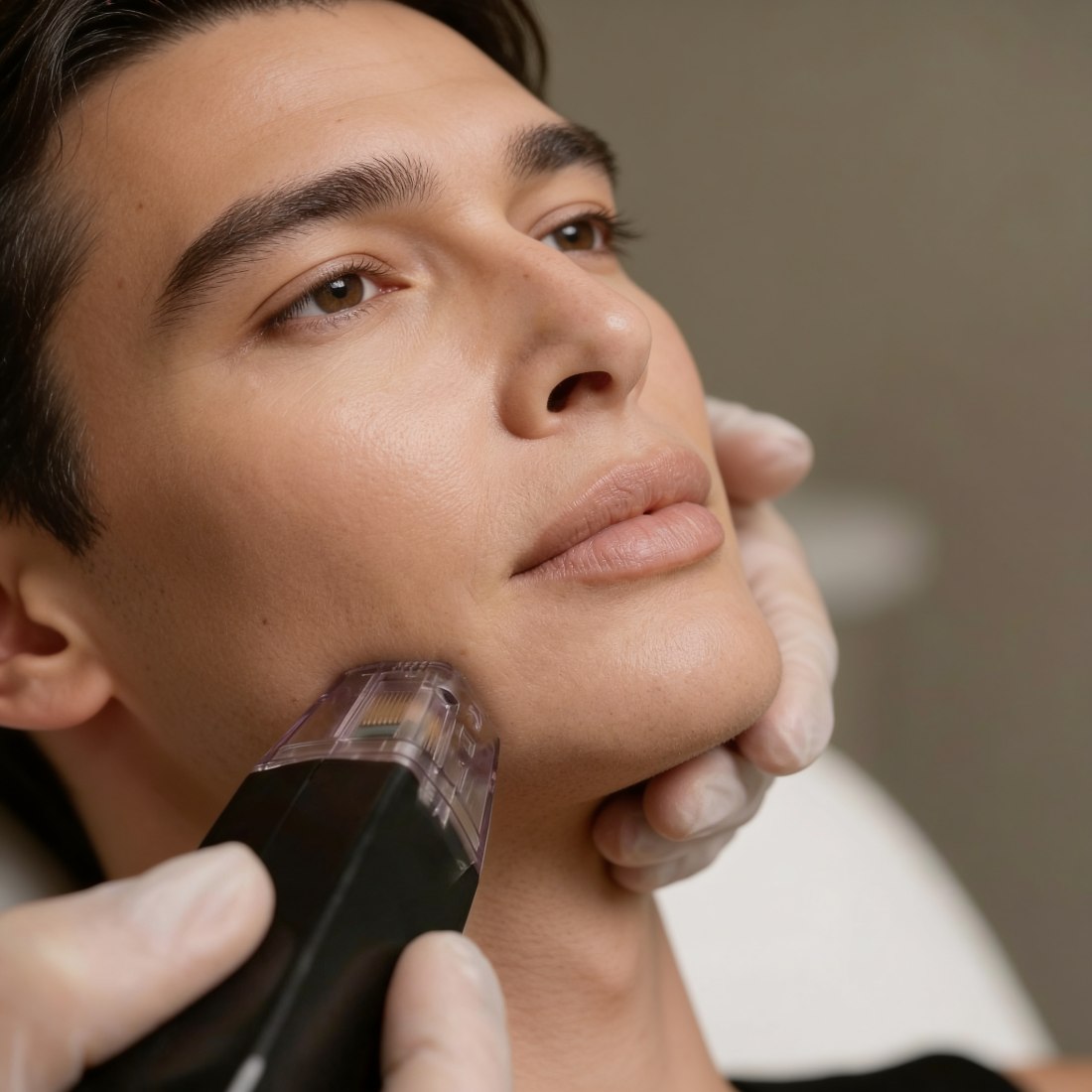
Laser tattoo removal · Pigment removal
Laser tattoo removal: Compare providers from our network
Laser tattoo removal breaks ink into particles your body clears over time. It takes a course of sessions, and complete removal is not always possible.
Our network
Laser tattoo and pigment removal providers from Adoreal's partner network.

Irvine, California · United States
South Coast Plastic Surgery (SoCo)
Tattoo removal with the PicoSure Pro picosecond laser, including coloured and previously treated ink, plus pigment treatment for sun spots.
Irvine, California · United States
South Coast Plastic Surgery (SoCo)
Tattoo removal with the PicoSure Pro picosecond laser, including coloured and previously treated ink, plus pigment treatment for sun spots.
Ready to see who performs laser tattoo and pigment removal near you?
Compare ProvidersDecision support
How to choose a laser tattoo removal provider
Board certification is the starting point. The details below are worth weighing carefully when you're choosing the provider who's right for your goals.
Here's what to look for before you decide:
The laser must match the ink.
Different wavelengths and pulse lengths reach different colours. A provider who looks at your tattoo's colours and explains which laser they will use, and why, is working properly.
A trained health professional should perform or supervise it.
In the US, the FDA clears tattoo-removal lasers for use by, or under the supervision of, a health care professional. Ask who will hold the handpiece and what their training is.
A good provider gives an honest estimate.
That includes a range of sessions and the possibility that some ink will not clear completely. A provider who promises total removal before seeing your tattoo is overselling.
Pigment should be diagnosed before it is treated.
Lasers can fade sun spots and uneven pigment, but they are not for moles or a spot that has changed. Treating an undiagnosed spot can delay a diagnosis, so it should be checked by a doctor first.
Ask about your skin type and aftercare.
Pigment changes are more likely in deeper skin tones and with sun exposure. A provider who adjusts settings for your skin and explains aftercare is protecting your result.
Before your consultation, prepare this question
“How many sessions do you expect for my tattoo's colours, and is complete removal realistic?”
Ink colour, depth and size decide how far a tattoo fades. A provider who gives you a range, and is honest about incomplete removal, is setting expectations you can trust.
Find a Laser tattoo and pigment removal ProviderAbout the treatment
About laser tattoo and pigment removal
Newer picosecond lasers, such as PicoSure Pro and PICO Genesis, deliver pulses in trillionths of a second and break ink up with pressure rather than mainly with heat. Other lasers offer several wavelengths so that more ink colours can be reached. Practices say both approaches mean fewer sessions and less heat in the surrounding skin than older lasers.
The same lasers are also used on pigment in the skin, such as sun spots, age spots and uneven tone, usually with a shorter course of sessions. Getting a tattoo takes an afternoon; removing one takes a lot longer, so it helps to know what is realistic before you start.
How it works
A tattoo is ink placed deep in the skin, under its surface layer, which is why it lasts. A tattoo-removal laser sends very short pulses of energy into that ink and shatters it into tiny particles, which the body's immune system then clears over the following weeks.
What to expect from results
Fading is often visible within two to three weeks of a session and builds with each one. How far a tattoo fades depends on the ink, the colours, the size and how deep the ink sits.
- Black and dark blue are the easiest colours to remove; green, red and yellow are the hardest
- Practices quote from 4 to 8 sessions up to 6 to 15, depending on the tattoo
- Complete removal can take many sessions and is not always possible
- Lightening a tattoo for a cover-up is a goal in itself and does not need full removal
- Pigment treatments usually need two to five sessions, with occasional maintenance
Ink colour and expectations
Each ink colour absorbs light differently. Black and dark blue respond best; green, red and yellow are the hardest to remove. Picosecond and multi-wavelength lasers are used to reach more colours, including ink that resisted earlier treatment, but complete removal can still take many sessions and is not always possible.
Ask for an honest estimate for your specific colours before you commit to a package, and ask whether lightening for a cover-up would meet your goal.
Before, during and after
Consultation. Your provider looks at the tattoo's size, colours and age, and whether it has been treated before, and gives you an estimate of how many sessions you may need. For pigment, any spot should be one a doctor is happy for you to treat.
Preparation. Avoid tanning before treatment. For pigment treatments, practices also ask you to pause retinoids and strong exfoliants beforehand.
Treatment. Protective eyewear is worn and a numbing cream or cooling may be used. The laser is traced over the design in short pulses; most people describe a snap like a rubber band followed by warmth, much like getting the tattoo. The treated area often turns white for a short time. Sessions usually take 10 to 30 minutes.
Aftercare. Redness, swelling or slight darkening of the area are common and usually settle within a day to a few days. Keep the area clean, apply the ointment you are given, avoid sun exposure and do not pick or scratch. The next session waits several weeks, so your body has time to clear the broken-up ink. Fading continues between sessions.
Who it suits
Laser tattoo removal suits most adults with a tattoo they want to remove or lighten, including for a planned cover-up. It works best when expectations match the ink: black and dark blue fade most readily. It may be less suitable if you:
- Want an undiagnosed mole or a spot that has changed treated; it should be checked by a doctor first
- Are pregnant, as laser skin treatment is generally deferred
- Have an active skin infection in the area
- Take medication that makes your skin more sensitive to light
- Have recently tanned skin
- Are prone to keloid scarring, which needs discussing first
Risks and side effects
Side effects are usually short-lived when a trained professional uses the right laser and settings.
- Redness, swelling and whitening. Common straight after treatment and usually settling within a day to a few days.
- Pinpoint bleeding or soreness. Possible on the treated area in the first days.
- Lighter or darker skin. Treated skin can end up lighter than the skin around it. Darkening is uncommon but possible, more so in deeper skin tones.
- Blistering or infection. Rare with proper aftercare. Keep the area clean and contact your provider if it blisters or looks infected.
- Scarring. Rare, but possible. People prone to keloids should discuss their risk first.
- Incomplete removal. Some ink, particularly lighter colours, may not clear fully.
Common questions
Laser tattoo and pigment removal questions, answered.
If your question isn't here, ask us directly. A real person answers, and we won't push you toward anything.
Talk to us →How many sessions will I need?
It depends on the ink, colours, size and depth. Practices quote from 4 to 8 sessions with a picosecond laser up to 6 to 15 sessions, spaced several weeks apart.
Can every tattoo be removed completely?
No. Complete removal can take many treatments and in some cases is not possible. Lighter colours are the most likely to remain.
Which colours are hardest to remove?
Green, red and yellow are the hardest. Black and dark blue are the easiest.
Does it hurt?
Most people describe a snap like a rubber band followed by warmth, much like getting the tattoo. Numbing cream and cooling are commonly used.
What is a picosecond laser?
A laser that delivers pulses in trillionths of a second. It shatters ink with pressure rather than mainly with heat, which practices say means fewer sessions and less heat in the surrounding skin.
Can I lighten a tattoo for a cover-up instead?
Yes. Fading a tattoo enough for a new design to go over it is a common goal. Once the skin has fully healed, a new tattoo can be placed in the same area.
Do tattoo removal creams work?
The FDA has not approved any tattoo removal creams or do-it-yourself kits, and these products can cause rashes, burns or scars.
Can the same laser treat sun spots and pigment?
Yes, picosecond lasers are also used for sun spots, age spots and uneven tone, usually over two to five sessions. Any spot should be checked by a doctor first if you are unsure what it is.
What is the aftercare?
Keep the area clean, apply the ointment you are given, avoid sun exposure and do not pick or scratch. Redness and swelling usually settle within a day to a few days.