
Men's health · Sexual health
Men's health: Compare practices from our network
Erection problems are common and often treatable. Here is what clinic-based shockwave and PRP treatments involve, and why a doctor's check comes first.
Our network
Men's health providers from Adoreal's partner network.
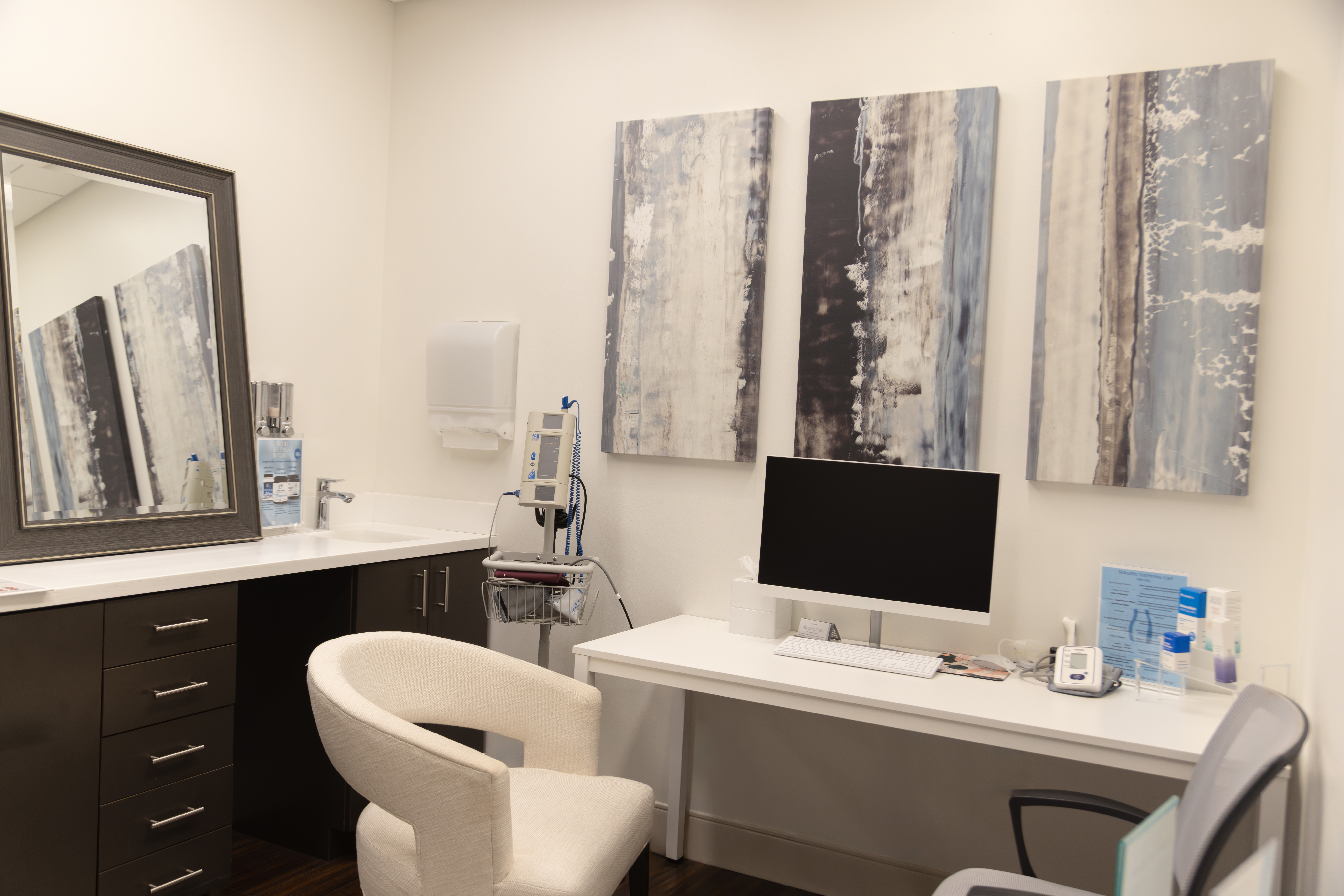
Baltimore, Maryland · United States
Belcara Health
Low-intensity shockwave therapy and PRP injections (P-Shot), offered within the practice's men's health service after a consultation.
Baltimore, Maryland · United States
Belcara Health
Low-intensity shockwave therapy and PRP injections (P-Shot), offered within the practice's men's health service after a consultation.
Ready to see who performs men's health near you?
Compare ProvidersDecision support
How to choose a practice for men's health
Board certification is the starting point. The details below are worth weighing carefully when you're choosing the practitioner who's right for your goals.
Here's what to look for before you decide:
A good practitioner looks for the cause.
Erection problems can come from blood-flow problems, diabetes, medicines, hormones, stress or relationships. A practice that asks what your doctor has found, or suggests you see one, is treating you rather than a symptom.
They should be honest about the evidence.
Shockwave therapy and PRP injections are widely offered, but neither is a standard treatment in public health guidance. Expect the practitioner to say so plainly.
They should tell you when it won't help.
The partner practice itself says shockwave therapy does not work for erection problems caused by anxiety or depression. A practitioner who rules people out is one you can trust.
Ask who will treat you, and what their training is.
These treatments should be carried out by licensed medical professionals. Ask about their qualifications and how often they perform them.
You should never feel rushed.
A good practice gives you time, explains the full course and cost in writing, and is fine with you taking it away to think.
Before your consultation, prepare this question
“What do you think is causing my symptoms, what is the evidence for this treatment, and what should I try first?”
A practitioner who answers all three, and talks about your doctor's role, is treating your health rather than selling a course of sessions.
Find a Men's health ProviderAbout the treatment
About men's health
What are men's health treatments?
Men's health treatments, as offered by some aesthetic and wellness practices, focus mainly on erection problems (erectile dysfunction) and on Peyronie's disease, where scar tissue makes the penis curve when erect. Both are common, and both are worth talking to a doctor about, because erection problems can be a sign of an underlying condition such as high blood pressure, diabetes or high cholesterol.
The clinic-based options are low-intensity shockwave therapy, which applies sound-wave energy to the penis with a handheld device, and platelet-rich plasma (PRP) injections prepared from your own blood. This page explains what they involve, how they compare with the treatments public health services recommend, and what to ask before you decide.
Erection problems that keep happening should be checked by a doctor first. This page cannot tell you what is causing yours, and shockwave therapy and PRP injections are not standard treatments for erectile dysfunction in UK or Swedish public health guidance.
Common concerns
- Erection problems (erectile dysfunction): being unable to get or keep an erection long enough for sex.
- Peyronie's disease: a hard area in the penis that causes a curve, painful erections or erection problems.
Causes of erection problems include stress, tiredness, alcohol, some medicines, high blood pressure, high cholesterol, diabetes, depression, anxiety and hormone problems, according to the NHS.
Treatment options
- Low-intensity shockwave therapy: sound-wave energy from a handheld device, given as a course of sessions.
- PRP injections (sometimes called the P-Shot): platelet-rich plasma from your own blood, injected into the penis.
- Established first steps: lifestyle changes, treating underlying causes, prescribed medicines after an assessment, vacuum pumps, and counselling or sex therapy.
What to expect
Assessment. A doctor's check first, then a consultation at the practice.
Treatment. Shockwave sessions take about 20 minutes without anesthesia. PRP injections are given after a blood draw and numbing cream.
Course. Six to twelve shockwave sessions are recommended by the partner practice, with maintenance later.
Evidence and results
Results vary and are not guaranteed. Neither treatment is among the standard options for erectile dysfunction listed by the NHS or 1177. For Peyronie's disease, NICE says the evidence on shockwave therapy's effectiveness is not adequate for routine use.
Risks and side effects
Partner practices describe both treatments as low-downtime, but the evidence for them is limited and responses vary:
- Tingling or mild discomfort during shockwave sessions.
- Bruising or swelling at PRP injection sites.
- Infection, which is rare.
- Little or no noticeable change.
- A missed underlying cause, if you skip a doctor's assessment.
Why a doctor comes first
Erection problems can be an early sign
The NHS says repeated erection problems might be a sign of a health condition that can be treated. A GP or sexual health clinic can check your blood pressure and other causes, and discuss medicines, devices and therapy.
Seek medical help promptly if your penis curves a lot, erections are painful, or you notice a hard lump.
Common questions
Men's health questions, answered.
If your question isn't here, ask us directly. A real person answers, and we won't push you toward anything.
Talk to us →What is shockwave therapy for erectile dysfunction?
Low-intensity sound-wave energy is applied to the penis with a handheld device and gel. The partner practice offers it for erection problems linked to blood flow. It is not among the standard treatments listed by the NHS or 1177.
What is the P-Shot?
P-Shot is a name used for PRP injections into the penis. The plasma is prepared from your own blood in a centrifuge and injected with a fine needle after numbing cream.
Should I see a doctor first?
Yes. The NHS says repeated erection problems can be a sign of a treatable health condition. A GP or sexual health clinic can check for causes and discuss established treatments.
How many sessions are needed?
The partner practice recommends six to twelve shockwave sessions, with maintenance later. Your practitioner should explain the plan, and what happens if you do not improve, before you start.
Does it hurt?
Shockwave therapy is described as tingling rather than painful. PRP injections are given after numbing cream. Everyone's experience differs.
Can it treat Peyronie's disease?
The NHS lists a sound-wave procedure among treatments for Peyronie's disease, along with medicines and surgery. NICE says the evidence on its effectiveness is not adequate for routine use without special arrangements for consent and audit or research.
Can I combine it with medicine from my doctor?
Talk to your doctor and the practitioner together. Do not stop treatment your doctor has prescribed without their advice.
Is low testosterone the cause?
It can be one cause, but there are many others. 1177 says very low testosterone can reduce desire and make erections harder, and that the reason needs investigating. That starts with a doctor and blood tests.