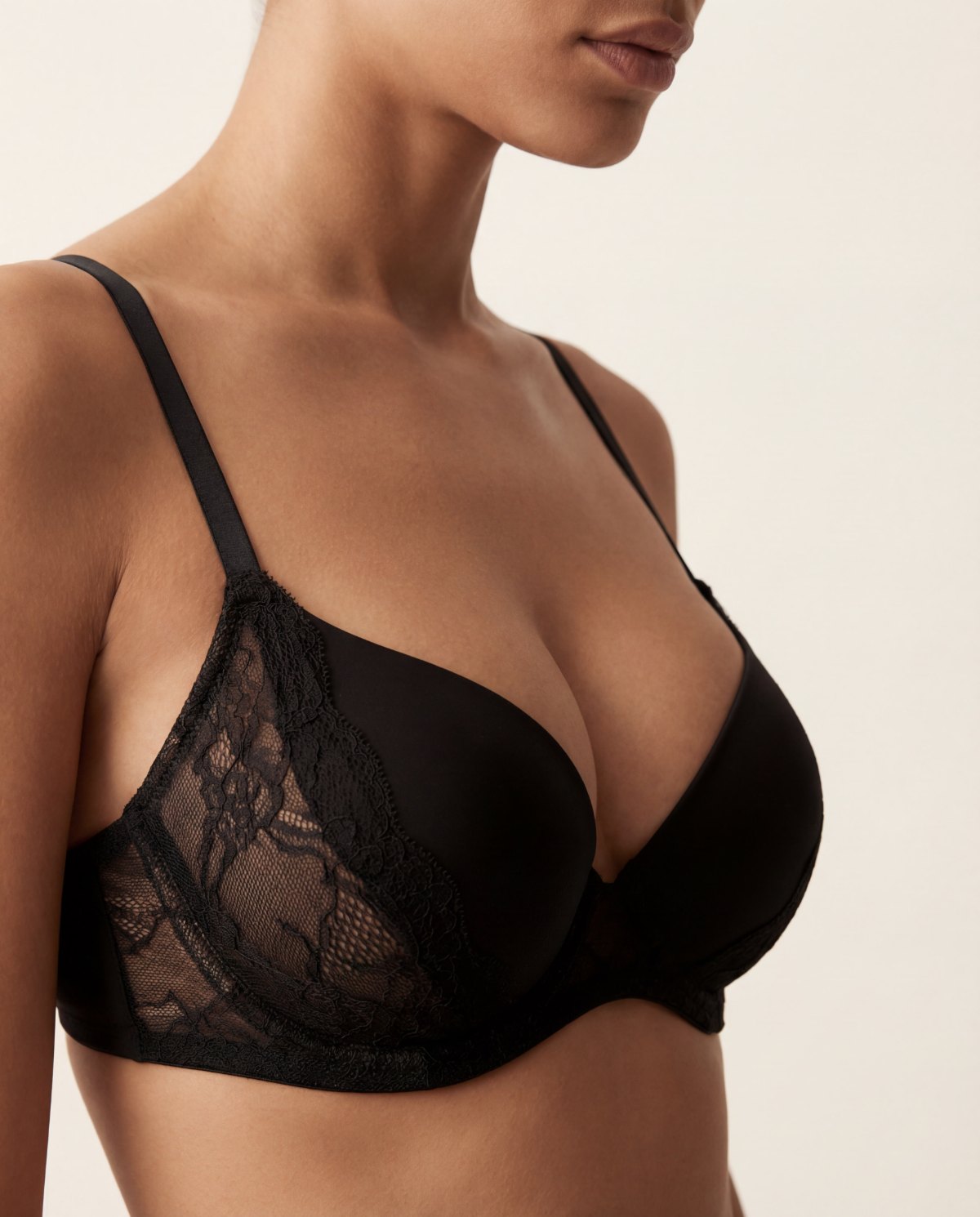
Tuberous breast correction · Tubular breasts
Tuberous breast correction: Compare practices from our network
Tuberous breasts are a developmental variation, with a narrow base and a lower breast that never fully filled out. Correction releases and reshapes the tissue, often adding volume.
Our network
Tuberous breast correction providers from Adoreal's partner network.

London · United Kingdom
iQonic Aesthetics
Tuberous breast correction that releases constricted tissue and reshapes the breast, with implants or fat grafting.
London · United Kingdom
iQonic Aesthetics
Tuberous breast correction that releases constricted tissue and reshapes the breast, with implants or fat grafting.
Ready to see who performs tuberous breast correction near you?
Compare ProvidersDecision support
How to choose a surgeon for tuberous breast correction
Board certification is the starting point. The details below are worth weighing carefully when you're choosing the surgeon who's right for your goals.
Here's what to look for before you decide:
A good surgeon names what they see, and grades it.
Tuberous breasts range from a single underdeveloped lower quarter to a fully constricted breast with a large, puffy areola. A surgeon worth trusting explains where you sit on that range and how it shapes the plan, rather than offering one standard operation.
Releasing the tissue matters as much as adding volume.
An implant on its own can leave the constricted shape visible. Ask how the surgeon will release the tight band at the base of the breast and reshape the tissue, and whether implants, fat grafting, or a lift suit your anatomy.
The best surgeons are honest about symmetry and further surgery.
Tuberous breasts are often uneven, and perfect symmetry is not a realistic goal for any breast surgery. A surgeon who says so plainly, and explains when a second operation might be needed, respects your ability to decide with full information.
Transparency about your plan and expectations is non-negotiable.
Your surgeon should be comfortable documenting the techniques planned for each breast, any implant type and size, where the scars will sit, and what recovery looks like week by week, and sharing that with you in writing.
Before your consultation, prepare this question
“How pronounced are my tuberous breasts, and how will you release and reshape each side?”
A surgeon who answers directly, rather than deflecting, is one who puts your outcome above the booking.
Find a Tuberous Breast Correction ProviderAbout the treatment
About tuberous breast correction
Tuberous breasts, also called tubular or constricted breasts, are a developmental condition present from birth that shows itself during puberty. A tight, ring-shaped band of connective tissue at the base of the breast stops the tissue from developing evenly, so the lower part of the breast stays underdeveloped.
The typical signs are a narrow base, little fullness in the lower breast, a breast crease that sits high, and an areola that looks enlarged or puffy. One or both breasts can be affected, and the breasts are often uneven. It is not the same as sagging, which comes from skin losing its elasticity.
Tuberous breast correction releases the constricting tissue and reshapes the breast, usually adding volume with an implant or your own fat, and refining the areola where needed.
What are tuberous breasts?
Tuberous breasts, also called tubular or constricted breasts, are a developmental condition. A tight band of connective tissue at the base of the breast stops the lower part from developing fully during puberty.
The result is a narrow, often pointed breast with a high crease and an enlarged or puffy areola. One or both breasts can be affected.
Signs and grades
Typical signs include:
- A narrow breast base and a pointed or tube-like shape
- Little fullness below the nipple and a high breast crease
- An enlarged or puffy areola
- Noticeable asymmetry between the breasts
Surgeons often grade tuberous breasts from 1 (one lower quarter affected) to 4 (the whole breast constricted, with a large, bulging areola).
Treatment options
The plan depends on the grade and on what you want to change, and each breast may be treated differently:
- Tissue release and reshaping, to let the lower breast expand.
- Implants, to add volume and create a rounder shape.
- Fat grafting, for a moderate increase and softer transitions, alone or with implants.
- Areola reduction or a lift, where the areola is enlarged or the breast also sags.
The treatment, step by step
Consultation. Your surgeon assesses both breasts and plans the correction with you.
Anesthesia. Usually general anesthesia.
Releasing the tissue. The constricting band at the base of the breast is released.
Adding volume. An implant, fat grafting, or both fill out the breast.
Reshaping. The breast and areola are reshaped; a lift is added if needed.
Closing. Incisions are closed and the breasts supported with a surgical bra.
Recovery and aftercare
Swelling and some discomfort are normal at first. Most people return to light activities within one to two weeks.
- Wear the recommended support bra throughout early healing
- Avoid heavy lifting and strenuous exercise in the first weeks
- Attend follow-ups so healing and symmetry can be checked
The breasts settle into their new shape over the following months.
Risks and side effects
Correction carries the usual risks of breast surgery, plus those of any implant or fat grafting used:
- Infection or bleeding
- Changes in nipple or breast sensation
- Scarring issues
- Remaining asymmetry between the breasts
- Blood clots
- With implants: capsular contracture, rupture, or a change in implant position
- The need for further surgery
Common questions
Tuberous breast correction questions, answered.
If your question isn't here, ask us directly. A real person answers, and we won't push you toward anything.
Talk to us →How do I know if I have tuberous breasts?
Common signs are a narrow base, a pointed or tube-like shape, little fullness below the nipple, a high breast crease, and a large or puffy areola. Breasts are often uneven. Only an examination by a plastic surgeon can confirm it and grade how pronounced it is.
Is it the same as sagging breasts?
No. With tuberous breasts, the lower part of the breast is underdeveloped. Sagging is not a developmental condition; it happens when the skin loses elasticity. The two can occur together, which is why some corrections include a lift.
What causes tuberous breasts?
A tight band of connective tissue at the base of the breast restricts how the breast develops during puberty, so the lower part stays underdeveloped. It is a developmental variation, not something caused by anything you did.
How are tuberous breasts graded?
Surgeons often use four grades. In grade 1 only one lower quarter of the breast is affected; in grade 2 the whole lower half; in grade 3 the breast is smaller and sags; and in grade 4 the whole breast is constricted, with a large, bulging areola.
Do I need an implant?
Not always. An implant reliably adds volume, while fat grafting suits a more moderate increase and can soften the transitions. The two are sometimes combined, and a lift may be added if the breast also sags. Your surgeon will explain which suits your anatomy.
At what age can it be corrected?
Surgeons generally recommend waiting until breast development is complete. In pronounced cases, earlier correction may be considered after careful assessment.
Will I be able to breastfeed?
Tuberous breasts can involve less glandular tissue, which can limit milk production, especially in more pronounced cases. Discuss breastfeeding plans with your surgeon, as the technique used can also affect it.
Will one operation be enough?
Often, but not always. Because tuberous breasts vary so much, and are often uneven, a further procedure to refine shape or symmetry is sometimes needed. Ask your surgeon how likely that is in your case.
How long is recovery?
Most people return to light activities within one to two weeks, with full recovery taking a few weeks longer. The breasts keep settling as swelling resolves over the following months.

Related treatments

Breast augmentation
Adds volume, and is often combined with a lift.

Breast lift
Raises and reshapes the breast, often combined with implants.

Breast tissue preservation
Techniques that protect the breast's natural support.

Mia Femtech
Minimally invasive augmentation under local anesthesia.

Motiva implants
Next-generation implants used across our network.
More on tuberous breast correction.
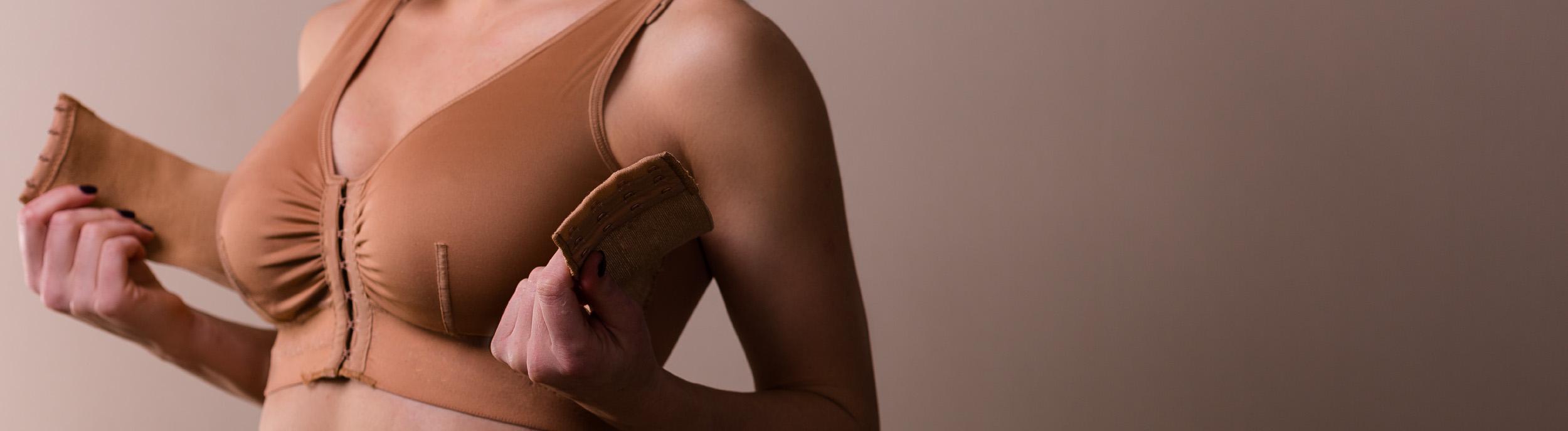
Article
Wearing a compression bra after breast augmentation
A supportive compression bra helps your breasts heal and the implants settle properly. Skipping it can lead to increased swelling, discomfort, and positioning issues.

Article
How to sleep after breast augmentation
Sleeping correctly reduces swelling, prevents pressure on the breasts, and helps maintain implant placement for optimal healing.