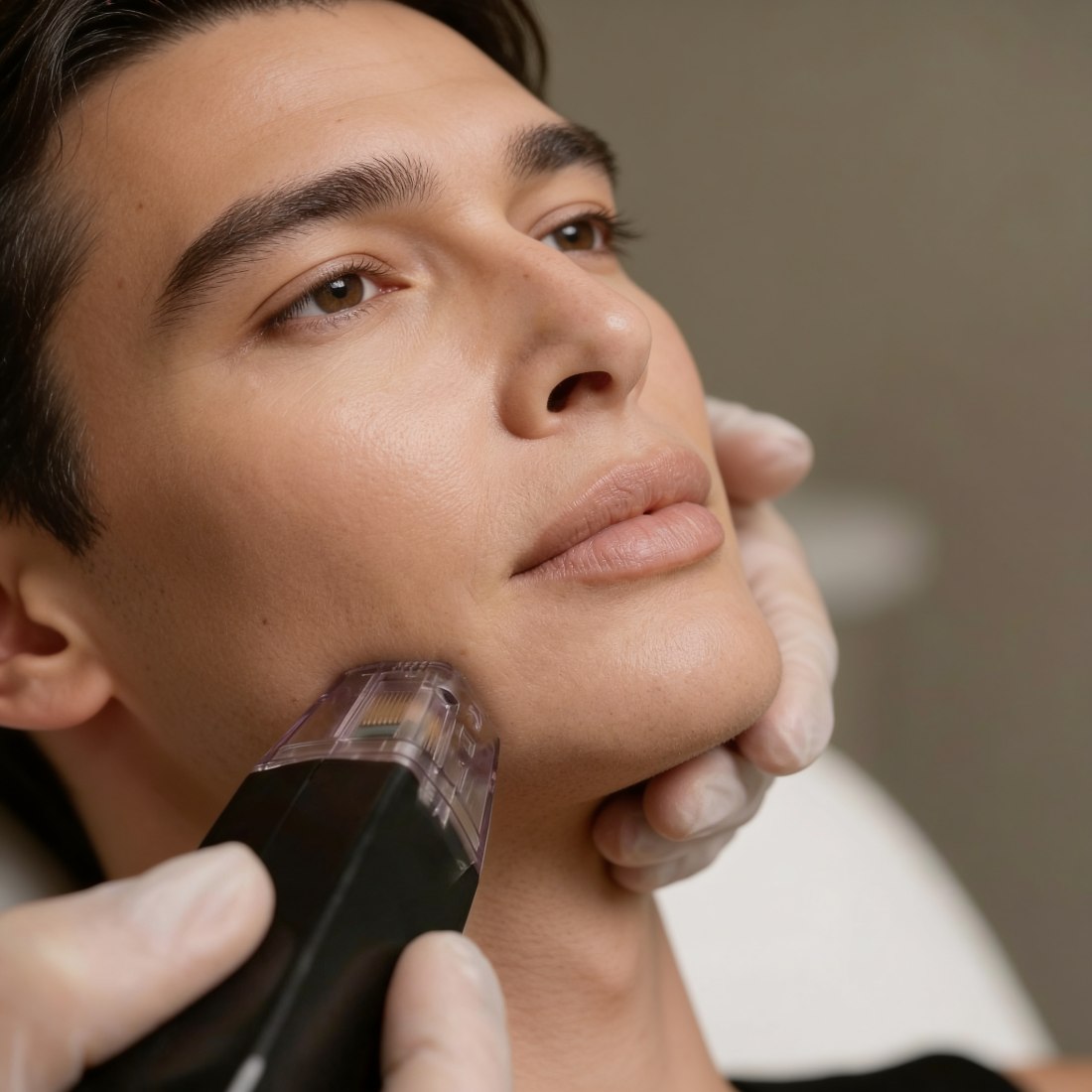
Vaginal rejuvenation · Intimate health
Non-surgical vaginal rejuvenation: Compare providers from our network
Non-surgical vaginal rejuvenation uses laser or radiofrequency energy on vaginal and vulvar tissue over a series of in-clinic sessions. It is not surgery, and the evidence for it is still limited.
Our network
Non-surgical vaginal rejuvenation providers from Adoreal's partner network.

Naples, Florida · United States
Naples Aesthetics
EmpowerRF radiofrequency treatments, with consultations by the practice's female aesthetic specialists and surgical options if they suit you better.
Naples, Florida · United States
Naples Aesthetics
EmpowerRF radiofrequency treatments, with consultations by the practice's female aesthetic specialists and surgical options if they suit you better.
Ready to see who performs non-surgical vaginal rejuvenation near you?
Compare ProvidersDecision support
How to choose a provider for vaginal rejuvenation
Board certification is the starting point. The details below are worth weighing carefully when you're choosing the provider who's right for your goals.
Here's what to look for before you decide:
A good provider starts with your symptoms, not a device.
Dryness, pain and leakage can have several causes. A provider who asks about your history, examines you, and suggests seeing a gynecologist where needed is looking for the cause rather than selling sessions.
They should be honest about the evidence.
These devices are not approved for vaginal rejuvenation, menopause symptoms or incontinence. A provider who explains what the device is cleared for, and what remains uncertain, is giving you what you need to decide.
Alternatives should be part of the conversation.
Lubricants, moisturizers, vaginal estrogen and pelvic-floor therapy are established options for common symptoms. A provider who mentions them, even if you go ahead with this treatment, is putting your health first.
Ask who performs the treatment and how complications are handled.
Burns, scarring and pain have been reported with these devices. Ask about the practitioner's training, what they do if a reaction occurs, and how quickly you can reach them afterwards.
Privacy and respect throughout.
From booking to examination, you should feel unhurried and in control. How a practice handles your first conversation says a lot about how it will handle the rest.
Before your consultation, prepare this question
“What is this device cleared for, and what evidence supports using it for my symptoms?”
A provider who answers this plainly, and mentions the alternatives, is helping you decide rather than closing a sale.
Find a Non-surgical vaginal rejuvenation ProviderAbout the treatment
About non-surgical vaginal rejuvenation
What it is
“Vaginal rejuvenation” is a marketing term rather than a medical one. In its non-surgical sense, it describes in-clinic treatments that apply laser or radiofrequency energy to the vaginal canal, the vaginal opening and the vulva, with the aim of prompting the tissue to produce new collagen.
People look into it for different reasons, including vaginal dryness, a feeling of looseness after childbirth or menopause, discomfort during sex and mild urine leakage. These concerns are common, and worth raising openly with a clinician.
Practices in Adoreal's network use two main technologies: radiofrequency platforms such as EmpowerRF, which combines radiofrequency heating, radiofrequency microneedling and pelvic-floor muscle stimulation, and fractional CO2 laser such as CO2RE Intima.
What to expect
Medical assessment. Dryness, pain during sex and leakage can have several causes, from hormonal changes around menopause to pelvic-floor weakness. A check with a gynecologist or your doctor helps make sure nothing needs a different treatment.
Consultation. A private discussion of your symptoms and history, an examination, and which device, number of sessions and maintenance plan the practice recommends.
Laser. With fractional CO2 laser, a single-use handpiece is inserted into the vaginal canal and rotated to treat the walls section by section; a separate handpiece treats the vulva. A session takes around 15 minutes, usually without anesthesia.
Radiofrequency. An applicator delivers gentle heat, with or without fine microneedles, to the vaginal canal and vulva. Numbing cream is used before microneedling. Sessions take around 30 minutes. Pelvic-floor stimulation uses a tampon-sized applicator that makes the muscles contract repeatedly.
Most people return to daily activities straight away. Mild swelling, redness or soreness can last a few days.
- Avoid sex for around two to three days after radiofrequency heating, 48 hours after radiofrequency microneedling, or about seven days after CO2 laser, or as your practitioner advises
- Avoid soaking in hot water for the first 48 hours after microneedling
- Contact the practice if symptoms last longer than a few days
Treatment is usually a series of three sessions, and practices often suggest a yearly maintenance session.
Results and evidence
Practices describe improvements in tissue tone, moisture and comfort, and in some cases in mild urine leakage, developing gradually over the course of treatment. Not everyone notices a change, and the size of any benefit varies.
Independent bodies are more cautious. The FDA has said that the safety and effectiveness of energy-based devices for these uses have not been established, and the American College of Obstetricians and Gynecologists notes that none is approved for treating menopause symptoms, urinary incontinence or sexual problems. Results are not permanent, and practices typically recommend yearly maintenance.
Who it suits
Practices offer these treatments to adults who are bothered by changes in vaginal or vulvar tissue and want a non-surgical approach, often after childbirth or around menopause. Concerns they commonly treat include:
- Vaginal dryness or reduced lubrication
- A feeling of looseness or laxity
- Discomfort or pain during sex
- Mild urine leakage when laughing, coughing or sneezing
- Thinning or laxity of the labia
Treatment may not be suitable, or may need to wait, if you:
- Are pregnant or breastfeeding
- Have symptoms that have not yet been assessed by a gynecologist or your doctor
- Have had breast cancer treatment, in which case speak to your oncology team first
- Are considering it because of pressure from a partner rather than your own symptoms
Risks and side effects
Practices report that side effects are usually mild and short-lived, but the FDA has received reports of serious complications from energy-based vaginal treatments.
- Swelling, redness and soreness. Common for a few days after a session.
- Itching or bruising. Reported after laser treatment, settling as the tissue heals.
- Blistering or burns. Listed by practices as possible side effects, and among the complications reported to the FDA.
- Scarring. Reported to the FDA in connection with energy-based vaginal procedures.
- Pain during sex or ongoing pain. Reported to the FDA, in some cases recurring or long-lasting.
Tell your practitioner about your full medical history, including pregnancy, breastfeeding, cancer treatment and any current gynecological symptoms.
Regulatory status
What the FDA has said about these devices
In 2018, the US Food and Drug Administration warned that energy-based devices used for vaginal “rejuvenation” or cosmetic vaginal procedures may cause serious adverse events, including vaginal burns, scarring, pain during sex and recurring or chronic pain. Laser and radiofrequency devices are cleared for other gynecological uses, such as removing abnormal or precancerous tissue and genital warts, but not for these.
Ask your practitioner what the device is cleared for, what evidence supports its use for your symptoms, and what happens if you have a reaction.
Common questions
Non-surgical vaginal rejuvenation questions, answered.
If your question isn't here, ask us directly. A real person answers, and we won't push you toward anything.
Talk to us →Is vaginal rejuvenation a medical term?
No. It is a marketing term. Clinically, these treatments are described by the device used, such as fractional CO2 laser or radiofrequency, and by the symptom being treated.
Is it FDA approved?
The devices used are cleared by the FDA for other purposes. The FDA has not approved any laser or energy-based device for vaginal rejuvenation, menopause symptoms, urinary incontinence or sexual function, and it issued a safety warning about these uses in 2018. If a practice describes a device as FDA-cleared, ask exactly what for.
How many sessions will I need?
Usually three, spaced around three to six weeks apart depending on the device. Pelvic-floor stimulation programs involve six to eight sessions over about three months. Practices often recommend a yearly maintenance session.
Does it hurt?
Practices describe warmth, tingling or pressure rather than pain. Numbing cream is used before radiofrequency microneedling, and laser sessions are usually done without anesthesia.
How soon can I have sex afterwards?
It depends on the device: around two to three days after radiofrequency heating, 48 hours after radiofrequency microneedling and about a week after CO2 laser. Follow your practitioner's specific advice.
Can it help with leaking urine?
Practices offer it for mild leakage, but these devices are not approved for treating urinary incontinence. A doctor or pelvic-floor physical therapist can assess the cause and discuss established treatments.
I've had breast cancer. Is this an option for me?
Talk to your oncology team first. The FDA specifically noted these devices being marketed to people with early menopause after breast cancer treatment. Hormone-free moisturizers and lubricants are often suggested for dryness, and whether vaginal estrogen is suitable is a decision for your doctor.
Can I have it while pregnant or breastfeeding?
No. Practices do not offer these treatments during pregnancy or while breastfeeding.
How is this different from labiaplasty?
Labiaplasty is surgery that removes or reshapes labial tissue. Non-surgical treatments apply energy to the tissue without cutting, and they are not a substitute for surgery where surgery is the better option. A practice should explain which, if either, addresses your concern.